Another keeper of independent thought lost as writer-philosopher Donovan Roebert dies
Some people do not simply move through history. They leave part of themselves behind in the way others think. Donovan Roebert was such a man.

"𝘛𝘩𝘦 𝘨𝘳𝘰𝘸𝘪𝘯𝘨 𝘵𝘳𝘦𝘯𝘥 𝘢𝘮𝘰𝘯𝘨𝘴𝘵 𝘺𝘰𝘶𝘯𝘨 𝘱𝘦𝘰𝘱𝘭𝘦 𝘵𝘰𝘸𝘢𝘳𝘥𝘴 𝘢𝘯𝘢𝘭𝘰𝘨𝘶𝘦 𝘱𝘳𝘰𝘥𝘶𝘤𝘵𝘪𝘰𝘯 𝘢𝘯𝘥 𝘤𝘰𝘯𝘴𝘶𝘮𝘱𝘵𝘪𝘰𝘯 (𝘵𝘩𝘦 𝘳𝘦𝘴𝘶𝘳𝘨𝘦𝘯𝘤𝘦 𝘰𝘧 𝘷𝘪𝘯𝘺𝘭, 𝘊𝘋𝘴, 𝘱𝘦𝘯, 𝘱𝘢𝘱𝘦𝘳) 𝘴𝘱𝘦𝘢𝘬𝘴 𝘵𝘰 𝘢 𝘴𝘦𝘯𝘴𝘦 𝘰𝘧 𝘭𝘰𝘴𝘴 𝘪𝘯 𝘰𝘶𝘳 𝘤𝘶𝘭𝘵𝘶𝘳𝘦. 𝘈 𝘳𝘦𝘤𝘦𝘯𝘵 𝘢𝘳𝘵𝘪𝘤𝘭𝘦 𝘪𝘯 𝘵𝘩𝘦 𝘕𝘦𝘸 𝘠𝘰𝘳𝘬𝘦𝘳 𝘱𝘰𝘴𝘪𝘵𝘪𝘰𝘯𝘦𝘥 𝘵𝘩𝘪𝘴 𝘵𝘳𝘦𝘯𝘥 𝘢𝘴 “𝘰𝘶𝘳 𝘭𝘰𝘯𝘨𝘪𝘯𝘨 𝘧𝘰𝘳 𝘪𝘯𝘤𝘰𝘯𝘷𝘦𝘯𝘪𝘦𝘯𝘤𝘦”. 𝘐𝘵 𝘪𝘴 𝘪𝘯𝘤𝘰𝘯𝘷𝘦𝘯𝘪𝘦𝘯𝘵 𝘵𝘰 𝘳𝘦𝘢𝘥 𝘸𝘰𝘳𝘬𝘴 𝘵𝘩𝘢𝘵 𝘢𝘳𝘦 𝘷𝘦𝘳𝘺 𝘭𝘰𝘯𝘨 𝘢𝘯𝘥 𝘪𝘯𝘷𝘰𝘭𝘷𝘦𝘥; 𝘵𝘰 𝘭𝘦𝘢𝘳𝘯 𝘭𝘢𝘯𝘨𝘶𝘢𝘨𝘦𝘴 𝘧𝘳𝘰𝘮 𝘣𝘰𝘰𝘬𝘴 𝘳𝘢𝘵𝘩𝘦𝘳 𝘵𝘩𝘢𝘯 𝘈𝘐 𝘵𝘦𝘢𝘤𝘩𝘦𝘳𝘴; 𝘵𝘰 𝘸𝘳𝘪𝘵𝘦 𝘰𝘶𝘳 𝘰𝘸𝘯 𝘸𝘰𝘳𝘬 𝘢𝘯𝘥 𝘴𝘤𝘰𝘶𝘳 𝘣𝘰𝘰𝘬𝘴𝘩𝘰𝘱𝘴 𝘢𝘯𝘥 𝘩𝘰𝘭𝘥, 𝘮𝘰𝘴𝘵 𝘥𝘦𝘦𝘱𝘭𝘺, 𝘴𝘦𝘷𝘦𝘳𝘢𝘭 𝘥𝘪𝘧𝘧𝘦𝘳𝘦𝘯𝘵 𝘷𝘪𝘦𝘸𝘴 𝘢𝘵 𝘰𝘯𝘤𝘦. 𝘛𝘰 𝘸𝘢𝘯𝘥𝘦𝘳 𝘵𝘩𝘦 𝘸𝘰𝘳𝘭𝘥 𝘢𝘯𝘥 𝘴𝘦𝘢𝘳𝘤𝘩 𝘪𝘵𝘴 𝘤𝘰𝘳𝘯𝘦𝘳𝘴, 𝘢𝘯𝘥 𝘵𝘰 𝘥𝘰 𝘢𝘭𝘭 𝘵𝘩𝘪𝘴 𝘸𝘪𝘵𝘩𝘰𝘶𝘵 𝘢 𝘳𝘪𝘯𝘨𝘭𝘪𝘨𝘩𝘵 𝘢𝘯𝘥 𝘢𝘯 𝘪𝘗𝘩𝘰𝘯𝘦, 𝘸𝘪𝘵𝘩𝘰𝘶𝘵 𝘤𝘰𝘯𝘴𝘪𝘥𝘦𝘳𝘪𝘯𝘨 𝘩𝘰𝘸 𝘮𝘢𝘯𝘺 𝘷𝘪𝘦𝘸𝘴 𝘰𝘶𝘳 𝘸𝘢𝘯𝘥𝘦𝘳𝘪𝘯𝘨𝘴 𝘮𝘪𝘨𝘩𝘵 𝘨𝘢𝘳𝘯𝘦𝘳. 𝘛𝘰 𝘭𝘪𝘷𝘦 𝘢𝘴 𝘰𝘶𝘳 𝘧𝘢𝘵𝘩𝘦𝘳𝘴 𝘥𝘪𝘥, 𝘯𝘰𝘵 𝘵𝘰𝘰 𝘭𝘰𝘯𝘨 𝘢𝘨𝘰, 𝘸𝘩𝘦𝘯 𝘵𝘩𝘦 𝘰𝘭𝘥 𝘸𝘰𝘳𝘭𝘥 𝘩𝘢𝘥 𝘯𝘰𝘵 𝘣𝘦𝘨𝘶𝘯 𝘵𝘰 𝘷𝘢𝘯𝘪𝘴𝘩 𝘴𝘰 𝘷𝘦𝘳𝘺 𝘳𝘢𝘱𝘪𝘥𝘭𝘺 𝘪𝘯𝘵𝘰 𝘵𝘩𝘦 𝘯𝘦𝘸." - 𝘕𝘢𝘰𝘮𝘪 𝘙𝘰𝘦𝘣𝘦𝘳𝘵.
"In order to write about life you must live it."
- Ernest Hemmingway.
Writer, researcher, painter and activist Donovan Roebert died on the evening of May 6, leaving behind a body of work that stretched across literature, religion, philosophy, art and cultural research.
Roebert published several books during his lifetime, including The Odissi Girl, The Rose Girl of Dharamkot, The Liberators, Lama Charlie’s Big Bang and Whimper, The Gospel for Buddhists and the Dharma for Christians and The Bearing of Culture on an Inhumane Society. His work also included extensive research into Buddhism, psychology, interfaith thought and Indian classical dance traditions.
For many years, Roebert remained outside mainstream intellectual and cultural circles and spent a large part of his life immersed in philosophy, religion, culture and artistic work. He followed his own path, researching and writing about subjects that often require years of study. Despite no formal higher education, he would go on to have academic papers published in periodicals such as Psychology & the Perennial Philosophy.
Between 2000 and 2012, he founded, and directed the South African Friends of Tibet. Travelling to India, Roebert conducted and published a long-form interview with the then-Prime Minister in Exile of the Tibetan Government, Samdhong Rinpoche, and the Dalai Lama wrote the foreword to the book.
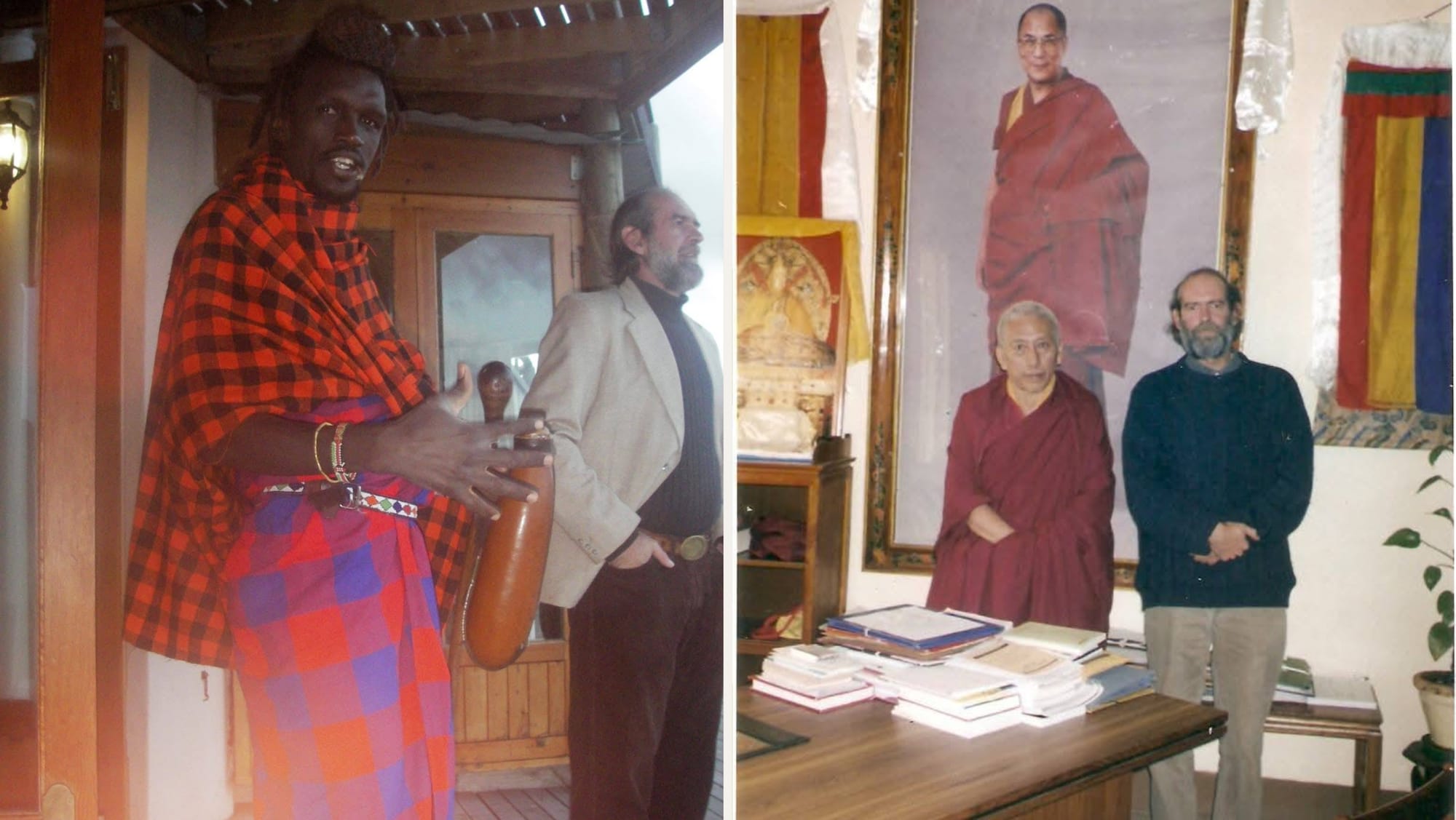
Towards the end of his life, he co-founded the IDGC (Indian Dancers for Gaza’s Children) which, through charitable Indian classical dance recitals held in India, raised significant funds for children’s hospitals in Gaza, and continues to raise awareness and funding for the plight of children in that country.
Messages paying tribute to Roebert’s life and work were shared on social media following news of his death. In a letter of condolence, Ben Joffe, who interviewed Roebert about his Tibet activism in 2008 for an oral history project, wrote: “He made an enormous impression on me. He was such an eloquent man, with such a strong, determined presence. His voice had real power, both because of the strength of his convictions and in terms of its sheer vibrancy.”
Joffe added that workers at the Office of Tibet, where he interned in 2009, told him how much they enjoyed hearing Roebert pronounce their names. “Even though it was in an accented way, they recognised its inherent power, gravitas,” he wrote. The University of Cape Town has a public archive record of the oral history interview conducted with Roebert as part of the Centre for Popular Memory collection.
Those who knew Roebert's work will likely remember him as part of a shrinking group of thinkers who approached writing and research as something far deeper than content production or public visibility. His books and essays reflected long-form thinking at a time when much of modern discourse is reactive and driven by algorithms.
The loss of figures such as Roebert also raises broader questions about what modern society is slowly moving away from. While technology has brought undeniable advances, many writers and artists are concerned that constant digital consumption is reducing the space for deep reading and independent thought.
The world still produces intelligent people, but true researchers and cultural thinkers are becoming less common. Philosophy has been narrowed down to bite-sized excerpts presented as reels or posts in a digital space that rewards immediate reaction over careful consideration.
Complex ideas are reduced to slogans and much of public discussion now moves rapidly across a scrolling screen. At a time when much of the media environment is defined by speed and performance, Roebert remained committed to the slow research of the human condition itself. He was unconcerned with the trappings of the modern world.
According to his daughter, Naomi Roebert, her father used the same silver Samsung flip-phone for over a decade, later taping the broken antenna with packaging tape, only transitioning to a smartphone towards the end of his life. “His various upgrades stood unopened in their boxes, neatly stacked in a pile on his desk,” she said.
She added that he belonged to a generation of wanderers, “a young man in the world before internet or mobile connectivity; he explored Zululand, worked on the mines, worked for a corporation, and taught Zulu at local primary schools.”
Roebert was not raised with wealth or privilege. He came from a difficult, under-resourced background and found solace in the elevating world of languages and philosophy. He pursued these interests from an inherent, organic need to engage with meaning, and understood that meaning is complex and multifaceted.
Painting Batik art became a way to make a living, producing tangible works which could not be reproduced by AI because they existed in the real world, framed and mounted on walls of stone and brick. His personal book collection is extensive and spans modern literature, poetry, religion, art, philosophy and history. Each of these books were sourced from second-hand bookshops he regularly scoured, often purchased for roughly R5, and stored in bookshelves he built himself.
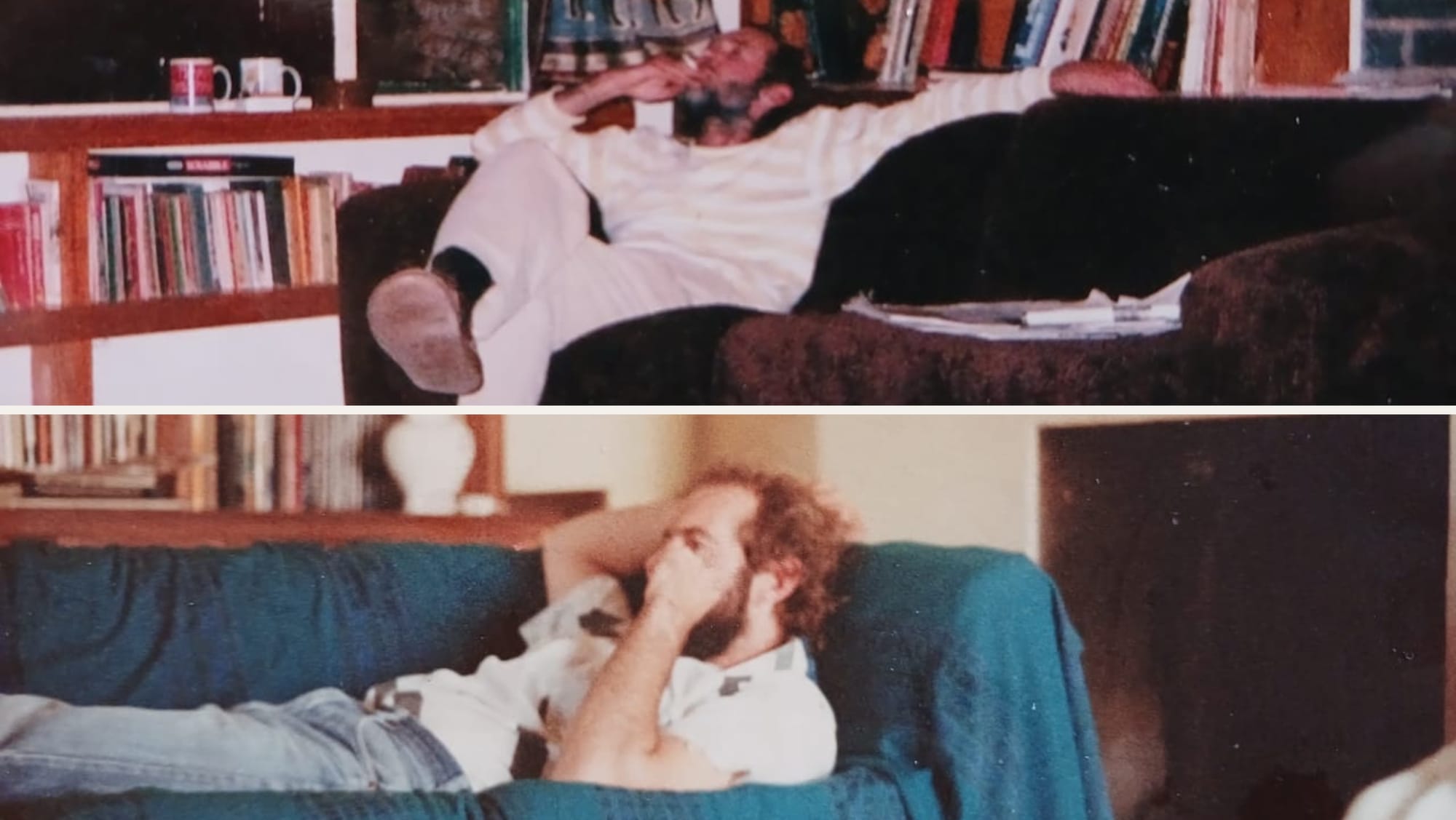
Family and loved ones remember Roebert’s novels and works of nonfiction being first written in pen and ink, often accompanied by a cigarette, and then typed out in the revision stage. "He wrote late at night when the world slept and then read until the early hours of the morning, his reading accompanied by exactly nine blocks of chocolate per session."
The loss of Roebert and similar figures of his generation speaks to a sense of the disappearance of important landmarks. Artists and thinkers have always challenged the status quo, but it may become increasingly difficult to challenge the existing state of affairs if we cannot consider them deeply or quantify their meaning. If we are consuming the world without considering it, without dissecting its nuts and bolts by studying its make-up, we are doomed to become subsumed by it, our voices lost in the babble.
Perhaps the most notable difference between that world and this is the meeting point between earth and air, wood and chisel, clay and block. That men could once move through the tangible ordinariness of the world, build bookshelves, buy tattered books, wear used clothes, sleep in a simple bed, hitchhike and work and study, and from this hard clay make refined work and produce deep thought.
The yearning for the analogue world reflects our sense of loss of reality and our ability to reckon with the world we live in. The world is presented to us onscreen, but rarely engaged with off-screen. We are caught in its glare and our thoughts hushed by its clamour, but still, the song of the old world echoes.
Gabriel García Márquez wrote: “Ultimately, literature is nothing but carpentry. With both you are working with reality, a material just as hard as wood." Donovan Roebert spent a lifetime working with that hard material of reality itself; slowly, thoughtfully and without compromise.
The world he belonged to is fading, and with his passing, another keeper of memory, independent thought and hard-earned human understanding reached its final chapter.